



















For decades, science fiction painted a world where robots walked among us, replacing workers in factories, hospitals, and even classrooms. Fast forward to today: robots already build cars, deliver packages, assist in surgeries, and vacuum our homes.
This raises the million-dollar question: can robots really replace humans in everyday jobs?
The short answer: they can replace tasks, but not people. The long answer is more nuanced — and it’s where the real future of work lies.
1. Where Robots Are Already Winning
Robots excel in environments that are:
Repetitive → e.g., assembly lines, data entry, or quality inspection.
Dangerous → e.g., bomb disposal, mining, or firefighting support.
Precision-driven → e.g., surgery assistance or microchip manufacturing.
Everyday Examples:
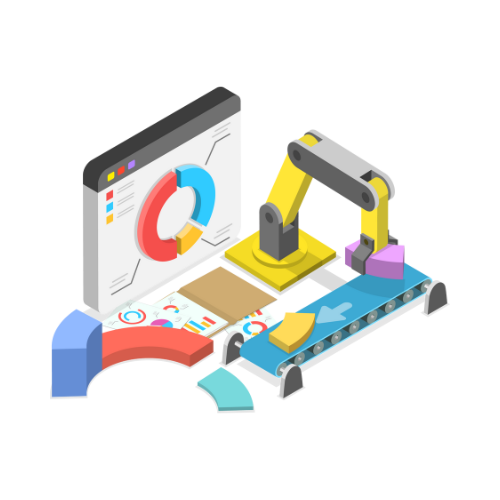
Factories: Automated arms assemble cars with near-perfect precision.
Hospitals: Surgical robots assist doctors in complex operations.
Retail: Self-checkout kiosks and warehouse bots (like Amazon’s Kiva) speed up logistics.
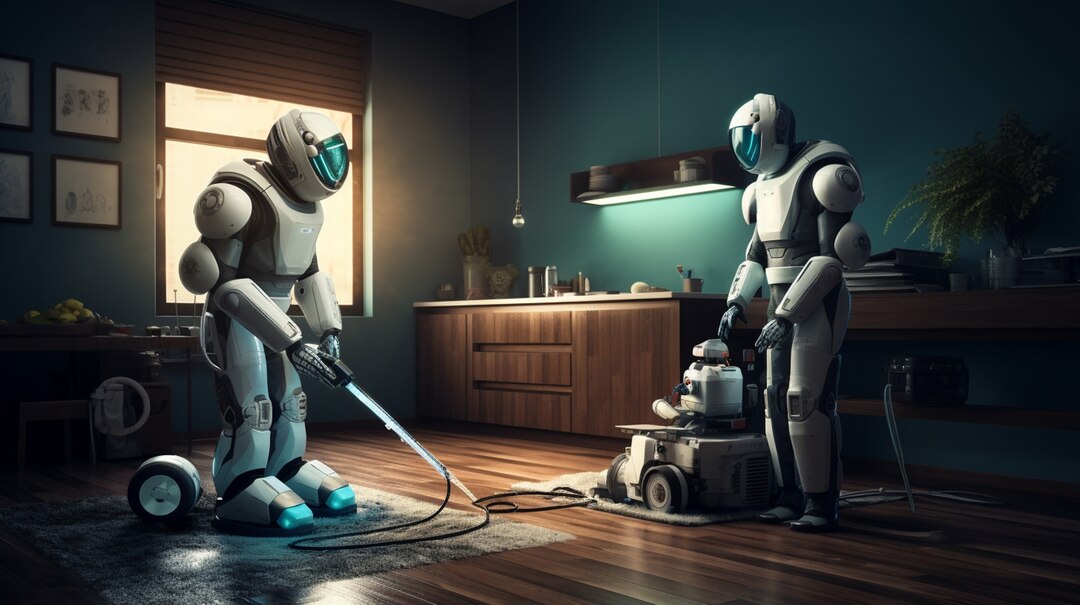
Homes: Robot vacuums clean floors without human effort.
Insight: Robots don’t complain, don’t get tired, and don’t call in sick — which makes them ideal for efficiency and consistency.
2. What Robots Still Can’t Do Well
While robots are impressive, they stumble when it comes to:
Creativity: Robots can mimic patterns, but true innovation comes from human imagination.
Emotional Intelligence: Machines can’t comfort a grieving patient, teach a restless child, or inspire a team.
Complex Judgment: Context-heavy decisions — like legal arguments, medical diagnosis under uncertainty, or ethical dilemmas — remain deeply human domains.
Example: A robot can serve coffee, but it can’t chat with a customer about their bad day and make them smile.
3. Will Robots Take All Jobs?
The fear of mass unemployment is real — but history tells a different story. Every major technological leap (from the industrial revolution to the internet) displaced some jobs but also created entirely new industries.
Jobs at Higher Risk of Automation:
Data entry clerks
Telemarketers
Basic assembly line workers
Routine accounting roles
Jobs Likely to Grow With Robots:
Robotics maintenance engineers
AI trainers & ethicists
UX/UI designers for human-machine interaction
Healthcare workers supported by robotic tools
Educators in digital literacy and future skills
Lesson: Robots don’t kill jobs; they change them.
4. Humans + Robots = The Future of Work
Instead of asking, “Will robots replace humans?” A better question is: “How will humans and robots work together?”
Example: Healthcare
Robot role: Assist with surgeries, monitor vitals, deliver medication.
Human role: Diagnose, empathize, and make critical decisions.
Example: Construction
Robot role: Perform heavy lifting, repetitive assembly, and dangerous tasks.
Human role: Manage projects, design blueprints, and solve unexpected problems.
Key Takeaway: Robots amplify human ability rather than erase it.
5. Preparing for the Shift
If robots are here to stay, how can you stay future-proof?
Learn Future-Ready Skills: Focus on what robots can’t easily replace — creativity, problem-solving, leadership, and empathy.
Embrace Tech Tools: Learn how to collaborate with automation (robotics, AI tools, AR/VR).
Stay Flexible: The future belongs to those who can adapt to change.
Courses That Help You Stay Ahead:
AI & Robotics for Beginners → Learn the basics of how robots “think” and operate.
Future of Work: Human + AI → Understand how to collaborate with automation in any field.
Design Thinking for Innovation → Strengthen creativity, problem-solving, and human-centered design.
Conclusion
So, can robots really replace humans in everyday jobs?
Yes, they can replace repetitive tasks.
No, they can’t replace the depth of human creativity, empathy, and judgment.
The future isn’t about humans versus robots — it’s about humans with robots. The challenge for each of us is to lean into what makes us uniquely human while embracing the tools that make us more capable.
In other words, robots may be efficient, but only humans can dream. And it’s that dream that invents the future.





Reply to Comment